


When a parent passes away, people often imagine the family coming together. Sometimes they do – they sit around the table, share stories, and remember favorite meals, old sayings, holiday traditions, and the small things that made that parent who they were. But grief can also bring pressure into the room.
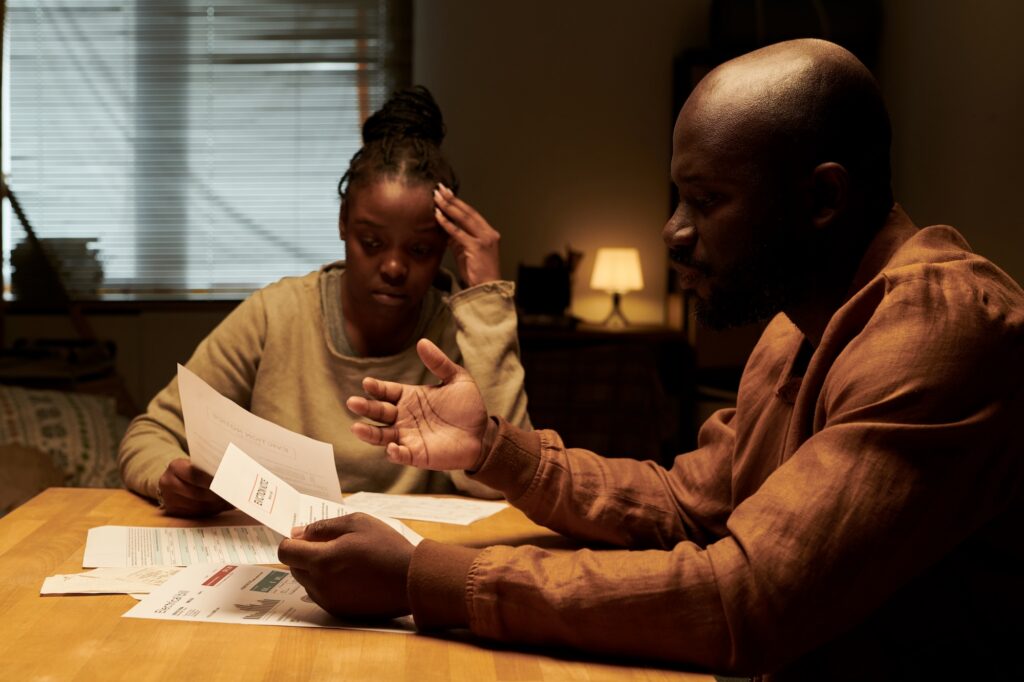
Suddenly, siblings aren’t only mourning; they’re making decisions, sorting through property, reading legal documents, and trying to understand bank accounts, bills, funeral expenses, family expectations, and sometimes years of unspoken hurt.
When siblings are left to figure it out alone, the problem is not that they do not love each other. Sometimes the problem is that they were not given enough clarity.
Grief Can Change the Room
Old roles often come back
Every family has patterns.
One sibling may have always been the responsible one. Another may have been the peacemaker. Another may have felt overlooked. Another may have lived nearby and done more day-to-day caregiving. Another may have lived farther away and still felt deeply connected.
When a parent dies, those old roles can come rushing back. The sibling who handled everything may feel resentful. The sibling who wasn’t included may feel suspicious. The sibling who needs more time may feel pushed. The sibling who wants answers may feel ignored.
None of this means the family is broken beyond repair, just that grief has a way of magnifying what was already there.
Everyone may hear the same instructions differently
A parent may say, “I want everything divided fairly.” That sounds simple until the family has to define fair:
– Does fair mean equal?
– Does fair account for caregiving?
– Does fair account for loans made during life?
– Does fair account for one child living in the home?
– Does fair account for a family business?
Each sibling may believe they know what the parent meant, and each one is working from a different memory, a different conversation, or a different emotional truth. That’s where confusion begins.

Unclear Plans Can Turn Small Decisions Into Big Fights
Personal property can carry emotional weight
Many families expect the biggest conflict to be about money. Sometimes it is, but often, the hardest fights begin with the things that look small from the outside.
A wedding ring. A watch. A Bible. A recipe box. A set of dishes. A chair from the living room. A box of photographs. These items may not have much financial value, but they can carry years of memories. One sibling may see a necklace as jewelry. Another may see it as the last piece of their mother they can hold.
When an estate plan doesn’t address personal property clearly, siblings may be left to negotiate while grieving. That’s a heavy burden.
Money decisions can expose old hurts
Money can add another layer. If one sibling is placed in charge but the others don’t understand the process, suspicion can grow:
– Why is this taking so long?
– Why has nothing been distributed?
– Why does she have access to everything?
– Why did he get to decide?
– Why did Mom leave it that way?
The person in charge is trying to do their best while dealing with court filings, creditor notices, account access, property maintenance, and legal timelines. Without communication and clear authority, even ordinary delays can feel personal.
That’s how family conflict around estate planning can begin.
Probate Can Add Pressure to an Already Hard Season
Court processes can slow things down
Probate in Georgia is the court process used to handle certain estates after someone passes away. Sometimes probate is straightforward; other times it can be more complicated. It depends on the documents, the assets, the family dynamics, and whether anyone disagrees. The court process can involve filings, notices, deadlines, and approvals. For a grieving family, that can feel like one more thing to manage during an already painful time.
Probate itself is not the enemy, but when a family is already strained, a court process can add time, cost, and pressure.
The wrong plan can leave loved ones guessing
A will may name who receives property, but it may not prevent every disagreement.
A vague will can create confusion. An outdated will can create tension. A poorly drafted will can leave gaps. A plan that does not match the family’s real life can put siblings in a difficult position. And when siblings are left guessing, they may begin filling in the blanks themselves.
That’s where court, conflict, chaos, and confusion can take root.
A Thoughtful Estate Plan Can Protect Relationships
Clear documents help, but clear conversations matter too
A thoughtful estate plan looks beyond the question, “Who gets what?” It asks practical questions:
– Who should be in charge?
– Can that person communicate well with the family?
– Would a trust help avoid unnecessary delay?
– Are beneficiary designations updated?
– Should certain personal items be listed clearly?
– Does the plan explain what happens if one person cannot serve?
– Should family members know where documents are located?
The legal documents matter. A will, a trust, powers of attorney, healthcare directives, and beneficiary designations may all play a role. And clarity also matters; families need conversations before a crisis. Not every detail has to be discussed with everyone, but the people you love should not be left completely in the dark.
Planning is an act of care for the people left behind
Estate planning, at its core, is about protecting relationships when emotions are high.
It’s about making decisions now so your loved ones aren’t forced to make them later with grief sitting at the table. It’s about saying, “I cared enough to make this easier for you.” That kind of planning doesn’t remove every hard feeling (because no legal document can do that), but it can give your family direction, reduce confusion, and lower the chance that one painful season becomes a permanent family fracture.
Conclusion
Sibling conflict after a parent’s death is heartbreaking because it often happens inside families that truly love each other.
The issue is not always greed or bad intentions. Sometimes it’s grief, pressure, unclear instructions, old family roles, and a plan that did not go far enough.
If you’re creating or updating your estate plan, think beyond the question “Who receives what?” Think about what your family will need when they’re tired, grieving, and trying to do the next right thing.
We help families create estate plans that are designed to bring clarity, reduce conflict, and protect the people behind the paperwork because your legacy deserves a plan, and your family deserves peace when life be lifing. Get in touch to discuss your goals and determine the best next steps.